How Can Ultra Slim Power Transform High-Density Energy Storage Today?
Ultra Slim Power represents a category of next-generation, lightweight, high-capacity power solutions engineered for applications that demand compact dimensions, stable output, and improved energy efficiency. Designed for portability and integration into constrained hardware environments, Ultra Slim Power systems are widely adopted in consumer electronics, industrial wearable devices, smart home equipment, and emerging IoT infrastructures.
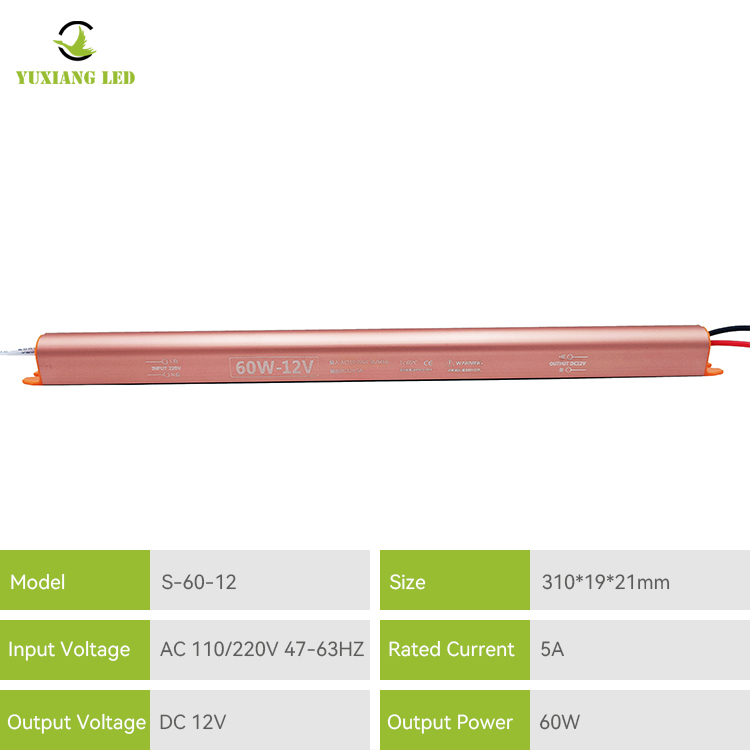
Below are representative parameters commonly associated with Ultra Slim Power solutions, structured to reflect technical clarity and evaluation needs:
| Parameter Category | Specification Description |
|---|---|
| Thickness Profile | Typically ranges from 3 mm to 8 mm depending on capacity and form factor, enabling integration into ultra-compact devices. |
| Capacity Range | Common models span from 1500 mAh to 12000 mAh, with energy density optimized via advanced lithium-polymer configurations. |
| Output Voltage | Standard outputs include 5V/2A, 5V/2.4A, and fast-charge options such as 9V/2A or 12V/1.5A depending on chipset compatibility. |
| Charging Protocols | Support for QC, PD, and proprietary fast-charging modules that safeguard efficiency and minimize conversion loss. |
| Material Composition | Reinforced polymer casing, multi-layered protective film, and precision aluminum or composite shells. |
| Safety Mechanisms | Overcharge protection, over-discharge protection, short-circuit protection, temperature management, and cell-balancing systems. |
| Cycle Life | Typically 500–1000 cycles depending on chemical formulation and maintenance conditions. |
| Weight Range | Usually 90 g to 220 g, emphasizing portability for mobile and industrial mobility applications. |
How Does Ultra Slim Power Enhance Device Performance in High-Constraint Scenarios?
Ultra Slim Power systems address a persistent challenge across many modern industries: the tension between compact hardware design and increasing demand for continuous, efficient energy output. As electronics become thinner, lighter, and more advanced, energy modules must deliver more capacity in less physical space. Ultra Slim Power achieves this through optimized battery architecture, high-density cell chemistry, and thermal-resistant packaging that maintains stability even during high loads.
From a performance perspective, the primary enhancement lies in energy-to-volume efficiency. By increasing watt-hour output while reducing the overall profile, Ultra Slim Power allows manufacturers to create sleeker devices without sacrificing runtime. The compact structure also reduces internal temperature fluctuations, thereby extending cycle life and ensuring more consistent delivery across various operating conditions.
In mobile scenarios—such as photography equipment, drones, wearables, and handheld industrial devices—Ultra Slim Power improves mobility by reducing bulk and allowing for flexible physical integration. In fixed installations involving smart displays or IoT control terminals, the thin profile increases space efficiency, enabling more refined device architecture.
Thermal management is another core factor. Ultra Slim Power typically incorporates advanced insulation films, internal partitions, and intelligent power management systems to balance load distribution. These features reduce overheating risks, stabilize current delivery, and protect internal circuits, particularly in fast-charging conditions.
Modern manufacturing practices—including precise lamination, micro-cell stacking, and reinforcement at stress points—further support structural rigidity. These qualities collectively ensure that Ultra Slim Power not only enhances device performance but also aligns with higher standards of reliability in professional or industrial contexts.
How Does Ultra Slim Power Compare to Conventional Power Modules in Durability and Safety?
When comparing Ultra Slim Power with traditional power modules, the most significant distinctions appear in material optimization, protective systems, and long-term stability under variable load conditions.
Durability is directly influenced by chemical formulation and structural design. Ultra Slim Power often uses enhanced lithium-polymer cells that maintain form integrity even under repeated thermal cycling. The multi-layered composite structures allow the unit to endure daily handling, pressure, and minor drops without deformation. By contrast, many conventional modules employ thicker battery housings or less optimized cell configurations that may increase overall bulk without providing proportional enhancements in energy density.
Safety systems play a crucial role in differentiation. Ultra Slim Power typically integrates intelligent protection circuits calibrated to align with its high-density architecture. Features such as cell balancing, temperature feedback loops, and real-time voltage correction prevent stress accumulation and reduce long-term degradation. Conventional power systems may offer similar protections but often operate with less refined calibration due to different energy density expectations.
Heat dissipation is another critical comparative metric. The slim sizing of Ultra Slim Power requires strategic management of airflow and internal distribution, prompting the use of materials with stronger thermal conductivity and lower resistance. This enables safe performance during high-speed charging or extended discharge cycles. Older or bulkier power modules may dissipate heat less efficiently due to thicker metal walls or non-optimized insulation layers, which can influence overall user safety.
In industrial and commercial settings, Ultra Slim Power also provides added value through its predictable cycle performance, ensuring stable operation over hundreds of charge cycles. This is essential for deployment in devices that require consistent uptime, such as portable scanners, monitoring instruments, and communication terminals.
How Will Ultra Slim Power Influence Future Trends in Portable Power Engineering?
The advancement of Ultra Slim Power aligns with broader market transitions toward lighter designs, extended runtime, and more sophisticated energy management. Several future-driven trends are expected to define its technological roadmap.
One major trend is the integration of intelligent energy-management modules that communicate with host devices. These systems will use real-time diagnostics to adapt charge speeds, regulate power output, and predict degradation patterns. Enhanced chip-level control will improve safety and prolong usable lifespan while reducing unnecessary thermal stress.
Another emerging direction involves incorporating advanced materials, such as graphene-enhanced electrodes or hybrid polymers, to improve conductivity, charge retention, and longevity. These materials may reduce internal resistance, enabling even thinner profiles without compromising durability or capacity.
Wireless charging and high-efficiency conversion protocols are also expected to influence next-generation Ultra Slim Power design. As more devices adopt high-speed induction modules or bidirectional charging systems, Ultra Slim Power units will evolve to accommodate new standards that prioritize efficiency and interoperability.
Sustainability represents an additional frontier. Manufacturers are increasingly evaluating recyclable casings, modular designs, and environmentally optimized supply chains. With energy consumption policies tightening globally, Ultra Slim Power solutions will likely adopt eco-enhanced components and production practices that align with regulatory requirements.
In professional sectors—healthcare, logistics, engineering, field services—the demand for stable yet lightweight power modules will increase. Ultra Slim Power is expected to lead innovations that support high-usage environments, where reliability, safety, and compactness are paramount.
How to Determine Whether Ultra Slim Power Is the Optimal Choice for Your Device Integration Strategy?
Selecting an appropriate Ultra Slim Power solution requires a structured evaluation based on technical parameters, operational context, and long-term performance expectations.
The first step is to assess the physical space available for integration. Ultra Slim Power solutions are purpose-built for constrained environments, but device designers must analyze exact millimeter tolerances to ensure alignment with the chosen capacity range. Factors such as heat dissipation clearance, airflow paths, and mounting support must also be considered.
Second, determine the power requirements under peak load conditions. Whether the device involves high-speed processing, continuous communication, or periodic bursts of output, the selected Ultra Slim Power module must supply stable performance without voltage drops. Reviewing discharge curves and energy-density ratings is essential.
Third, evaluate compatibility with preferred charging protocols. For example, devices using fast-charge standards such as PD or QC require precise voltage mapping to avoid circuit stress. Proper matching enhances efficiency and minimizes energy loss, particularly in mission-critical device categories.
Fourth, analyze environmental conditions. Devices used outdoors, exposed to high temperatures, or positioned within sealed housings require Ultra Slim Power modules with advanced thermal safeguards and high-precision protective circuits.
Finally, consider lifecycle expectations. Solutions with higher cycle durability and stable degradation patterns ensure longer operational life and reduce service intervals.
Below are two commonly asked questions about Ultra Slim Power:
Q1: How can Ultra Slim Power maintain high capacity while remaining thin?
A1: Ultra Slim Power uses optimized lithium-polymer cells with high energy density and advanced internal stacking technologies. Multi-layer compression and uniform electrode distribution allow manufacturers to increase watt-hour output without expanding thickness. Additionally, the casing materials enhance structural rigidity, making the slim profile possible without compromising durability.
Q2: How long does an Ultra Slim Power module typically last under frequent use?
A2: Lifespan is influenced by charge cycles, operating temperature, and the stability of protective circuitry. Most Ultra Slim Power units achieve 500–1000 cycles, with higher-end configurations offering extended longevity through improved cell chemistry and balanced charge regulation. Proper maintenance—such as avoiding extreme heat and over-discharge—further supports long-term performance.
Ultra Slim Power continues to shape the evolution of portable and embedded energy solutions through its refined form factor, stable output characteristics, and adaptability across multiple industries. As markets demand greater efficiency, lighter structures, and higher power densities, technologies associated with Ultra Slim Power will play an increasingly central role in product development. Guangzhou Yuxiang provides advanced solutions in this category, supporting reliable performance for a wide range of professional applications. For detailed specifications or partnership discussions, contact us.